


I. Introduction
Mobile commerce (mCommerce) is rewriting the rules of retail. As consumers become increasingly mobile-first, businesses must adapt or be left behind. In 2025, mCommerce isn’t just a channel—it’s a strategic imperative. With mobile apps converting 157% better than mobile websites and average transaction values over $100 per order, it’s clear: the future of commerce lives in apps.
But success demands more than presence—integrating the right features to meet customer expectations, drive engagement, and deliver seamless experiences across touchpoints.
II. Trending Forces Shaping mCommerce

A. Seamless Checkout & Digital Wallets
- One‑Tap Payments
Friction kills conversions. In-app wallets like Apple Pay, Google Pay, and locally preferred options streamline checkout, reducing abandoned carts and boosting AOV. - Unifying Payment Options
Offering multiple digital wallets and integrating QR-based or voice-assisted payments (e.g. India’s UPI systems) expands accessibility and flexibility in diverse markets.
B. AI-Driven Personalization
- Hyper-Personalized Experiences
Real-time data and AI tailor every step—home screens, offers, pricing—to individual preferences. By 2025, mCommerce apps will move beyond demographic segments to true 1:1 personalization. - Dynamic Recommendations & Content
Intelligent recommendations of products, bundles, and flash deals boost engagement and revenues. Chatbots and AI guides further enhance discovery and trust.
C. Conversational Commerce & Smart Chatbots
- Embedded Chat Shopping
Chatbots that support natural language interactions, guide purchase paths, and even process payments are emerging, making shopping conversational rather than transactional. - Voice Commerce
Voice-enabled search, assistant bots, and voice-based ordering are gaining traction. Whether ordering groceries or booking services, voice simplifies interactions on mobile.
D. Social, Live & Immersive Commerce
- Social Commerce
Platforms like TikTok Shop and Instagram Checkout allow users to purchase natively within the social feed, facilitating impulse buys at scale. - Live Shopping & Events
Live-streamed product demos and auctions, modeled after Asia’s massive success, are taking off. Real-time interaction fosters community and conversion. - AR Retail
Augmented reality “try-before-you-buy” experiences (e.g. virtual dressing rooms or furniture placement) reduce returns and elevate purchase confidence.
E. Omnichannel & Super‑App Ecosystems
- Unified Experience
The modern shopper travels effortlessly across mobile apps, in-store, desktop, email, and social. Syncing preferences, carts, and loyalty across channels is no longer optional. - Super‑Apps
Inspired by WeChat and Grab, many businesses are combining shopping, payments, messaging, bookings, and content into one platform—delivering convenience at scale.
F. Q‑Commerce & Instant Delivery
- Ultra-Fast Fulfillment
Urban consumers are increasingly demanding delivery in under 60 minutes. Grocery and essentials apps are rising to meet this expectation with micro‑fulfillment models. - Inventory Intelligence
AI-driven demand forecasting and dynamic inventory planning ensure app-based orders are fulfilled without stockouts or delays.
III. Strategy Playbook for Businesses (a–d)
a. Build an Engaging App, Not Just a Store
Prioritize top-tier UX—fast load times, intuitive navigation, flexible payments, and integrated chat and AR features. Apps should delight as well as transact.
b. Compose a Layered Personalization Approach
Begin with browsing and purchase history. Then weave in contextual signals (time, location, weather) to tailor real-time in-app experiences and push messages.
c. Embed Conversational & Voice Interfaces
Add chatbots and live assistants capable of handling queries and orders. Integrate with voice platforms for search, ordering, or account management.
d. Extend Commerce Across Channels
Adopt social commerce plugins, live-stream events, and integrate in-app payment flows. Expand into super‑app territory by offering services, content, and loyalty.
IV. Tech & Infrastructure Enablers
- Cloud-Based Backend: Critical for rapid scaling and real-time analytics.
- APIs & Modular Architecture: Microservices allow seamless integration of AI engines, payment providers, chatbots, and AR tools.
- AI & Data Layers: Implementing ML models in analytics, recommendations, and personalization is essential. Consider on-device inference to preserve privacy and speed.
- DevOps & CI/CD Pipelines: Frequent updates, A/B testing, crash monitoring, and feature flags keep apps relevant and bug-free.
- Security & Compliance: Payment Tokenization, data encryption, and adherence to global privacy standards ensure trust.
V. Key Success Metrics to Track
- Conversion Rate: Mobile app commerce vs mobile web
- Average Order Value: Shoppers with digital wallet checkout
- Retention & Churn Rates: Influenced by push notifications and personalized suggestions
- Session Frequency & Length: Impacted by live or AR-enhanced content
- Engagement with Chatbots & Voice Features
- Fulfillment Performance: Orders delivered in <1 hr
- ROI on Personalization & Live‑Shopping Campaigns
VI. Challenges & Mitigation (I–III)
I. Logistics and Delivery Constraints
Partner with local logistics providers and pursue micro-fulfillment options to meet consumer expectations for fast delivery.
II. Payment Infrastructure Complexity
Integrate with multiple local/niche payment systems, digital wallets, or voice-activated platforms—while keeping compliance centralized.
III. Trust, Privacy & Fraud Management
Build transparency into AI/personalization algorithms, enforce data policies, and continually monitor for anomalies. Super apps must be especially trustworthy.
VII. The Road Ahead
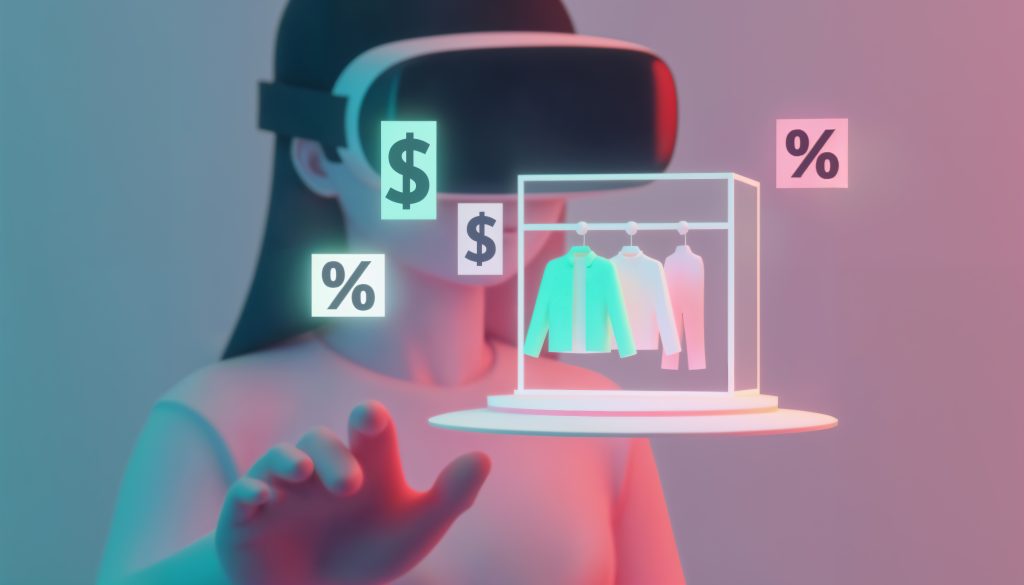
- Metaverse & XR Commerce: Prepped shoppers may soon browse virtual showrooms via AR/XR—then execute purchases instantly.
- Blockchain-Enabled Loyalty & Payments: Tokenization of rewards and tamper-proof ownership of digital goods may be next.
- Federated and Privacy-Centric AI: Personalization that never leaves the device, thanks to federated learning and on-device encryption.
- Adaptive Pricing & Loyalty Models: Real-time pricing offers tied to inventory, environment, user status, and social engagement.
Final Word
As mCommerce matures, differentiation will come from intelligent, unified, and immersive mobile experiences. The line between browsing and buying is blurred, powered by personalization, immediacy, and interactivity. Businesses that bake AI, chat, AR, and seamless payments into their apps—and align with broader omnichannel and super app ambitions—will win consumer loyalty, increased spend, and future relevance in the age of mobile.





Leave a Reply